
Sub-Total: $0.00
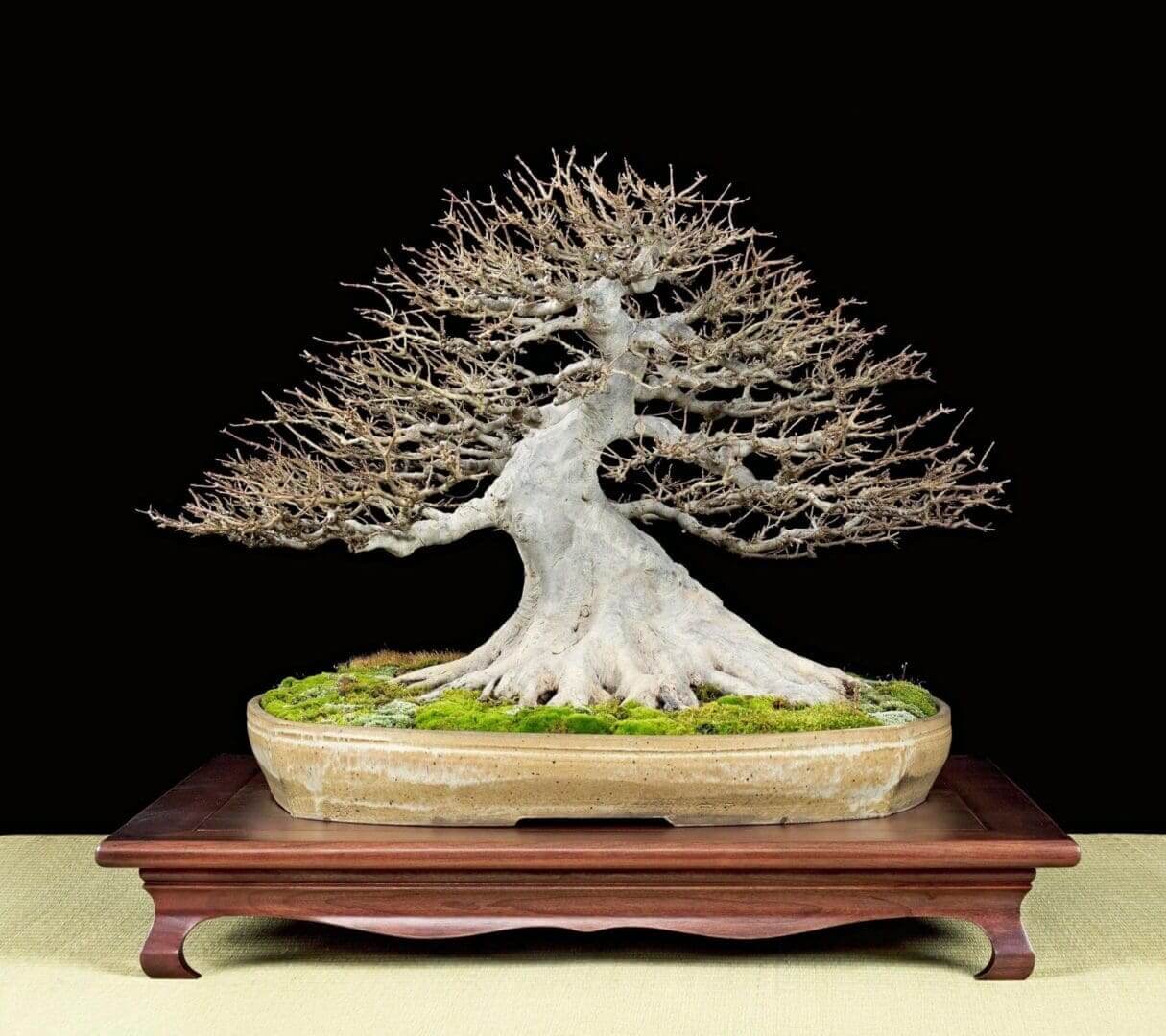
This trident maple was professionally developed in Japan and imported many years ago, bringing with it a legacy of careful craftsmanship and refined design. Though it stands only 18 inches tall, its powerful presence comes from its remarkable nebari, which spreads 18 inches across the soil surface. The balance between height and base gives the tree a grounded strength that immediately draws attention.
Because of the extraordinary width of its root flare, a custom pot was created specifically to support its proportions. That thoughtful pairing allows the nebari to fully express itself while maintaining harmony in the overall composition. This tree consistently receives a second look from visitors, inviting closer study of its structure and surface roots. It serves as a living example of proportion, patience, and the lasting impact of masterful development.
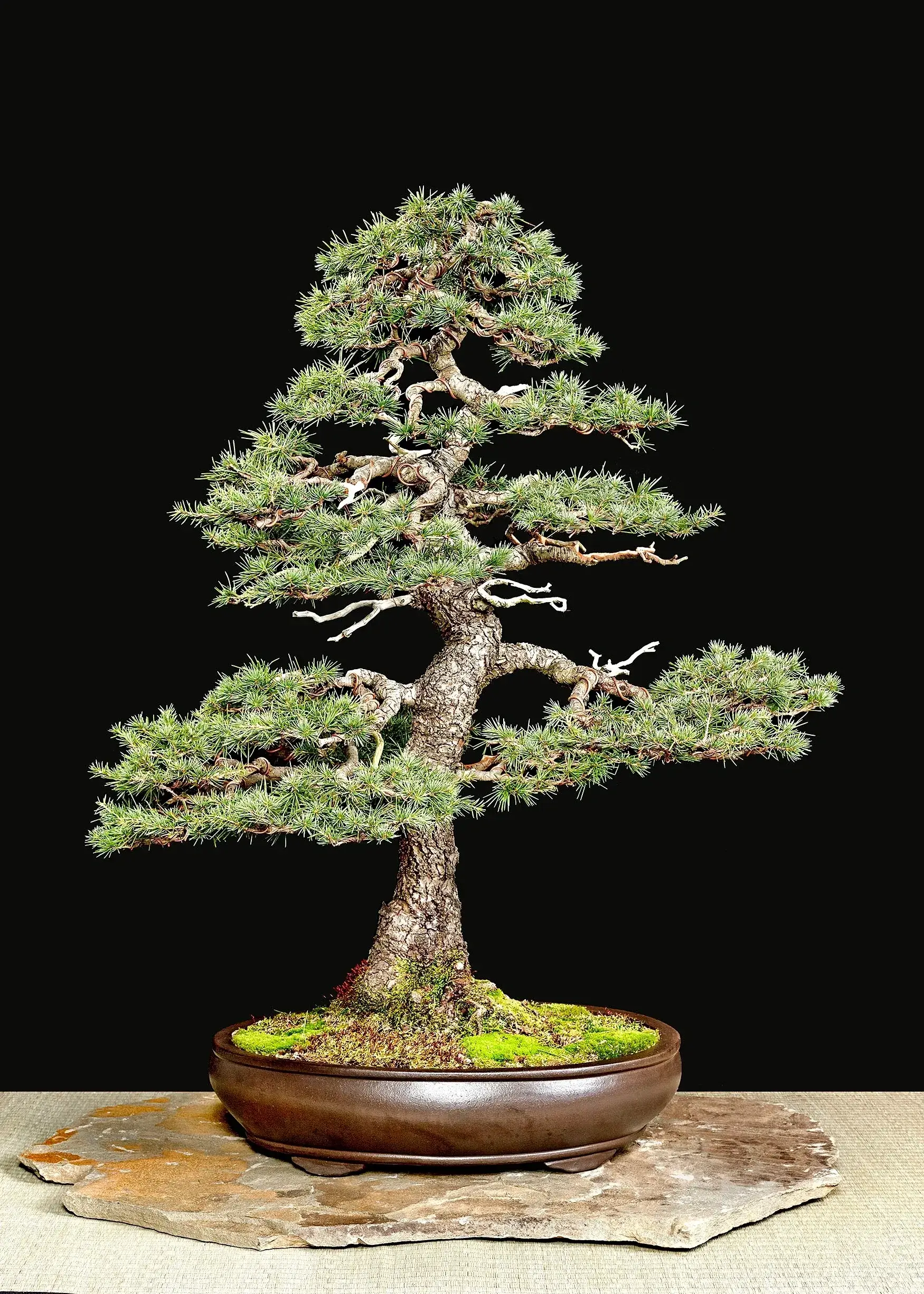
This green atlas cedar has been part of the Bonsai Learning Center collection since the early 1980s and remains a striking example of realism in bonsai. With its aged bark, dark green foliage, and naturally layered structure, it closely resembles a mature cedar reduced to a small scale. Its form feels familiar and grounded, as though it were lifted directly from a mountain landscape.
Over the years, branches have been lost as part of the tree’s natural aging process, adding to its character rather than diminishing it. That history is visible in the trunk and branch structure, giving the tree a sense of authenticity that cannot be rushed or recreated. This cedar has long served as an example of how time, careful selection, and acceptance of change contribute to the making of a truly convincing bonsai.
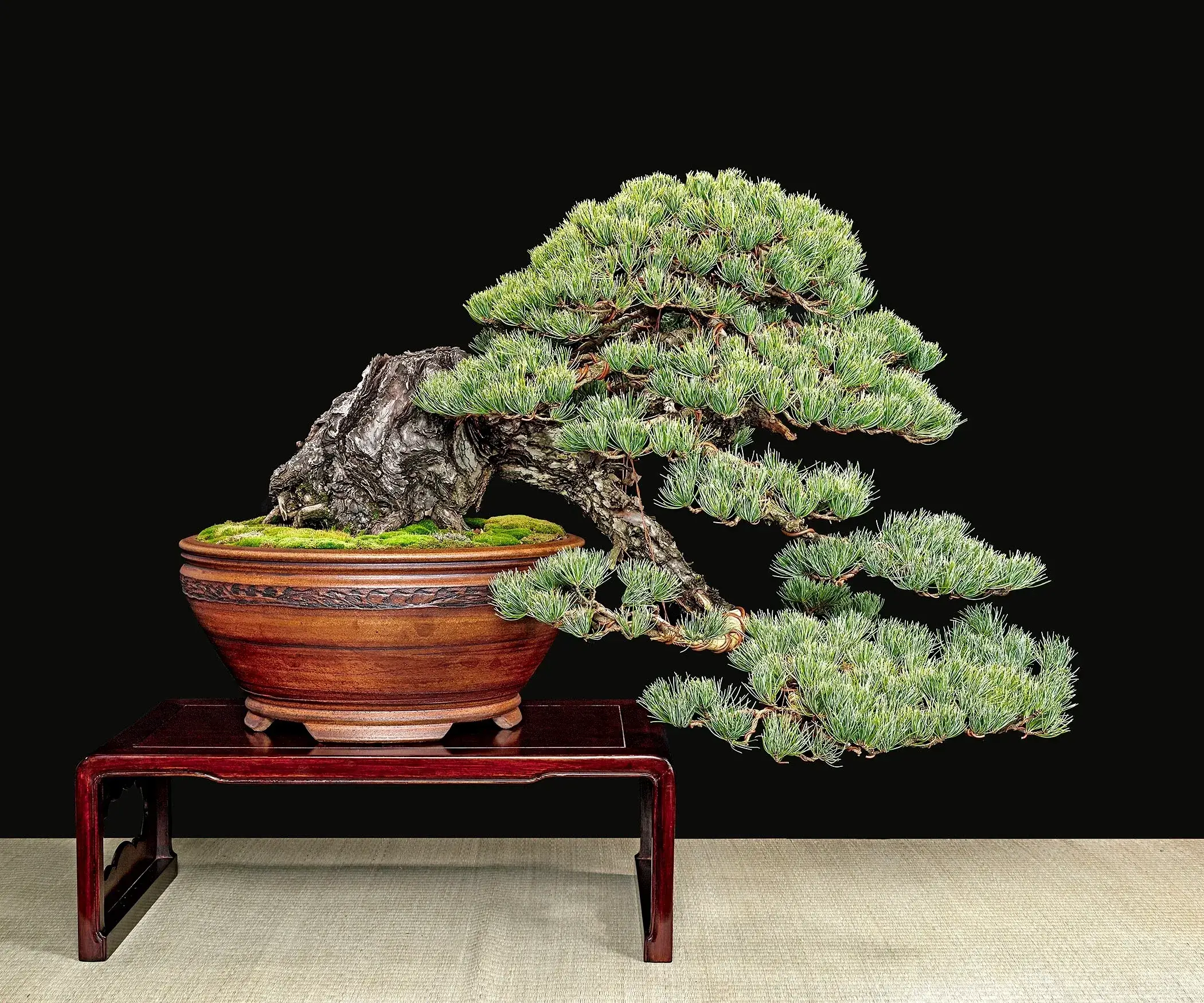
This Japanese white pine semi-cascade has been part of Bonsai Learning Center since 2013, and it has quietly become one of our signature trees. With its powerful trunk, aged bark, and flowing movement, it embodies both strength and patience. Over the years it has appeared throughout our website and marketing materials, not because it was chosen to represent us, but because it naturally did.
The tree’s cascading form tells a story of endurance, as if shaped by years of wind, gravity, and survival along a mountainside. Its soft blue-green needles contrast beautifully with the rugged base, reminding us that refinement and resilience often grow side by side. This pine has matured alongside our program, witnessing countless students take their first steps into bonsai. It stands as a living reminder of why we do this work. To slow down, to observe closely, and to learn from trees that have already lived far longer than we have.
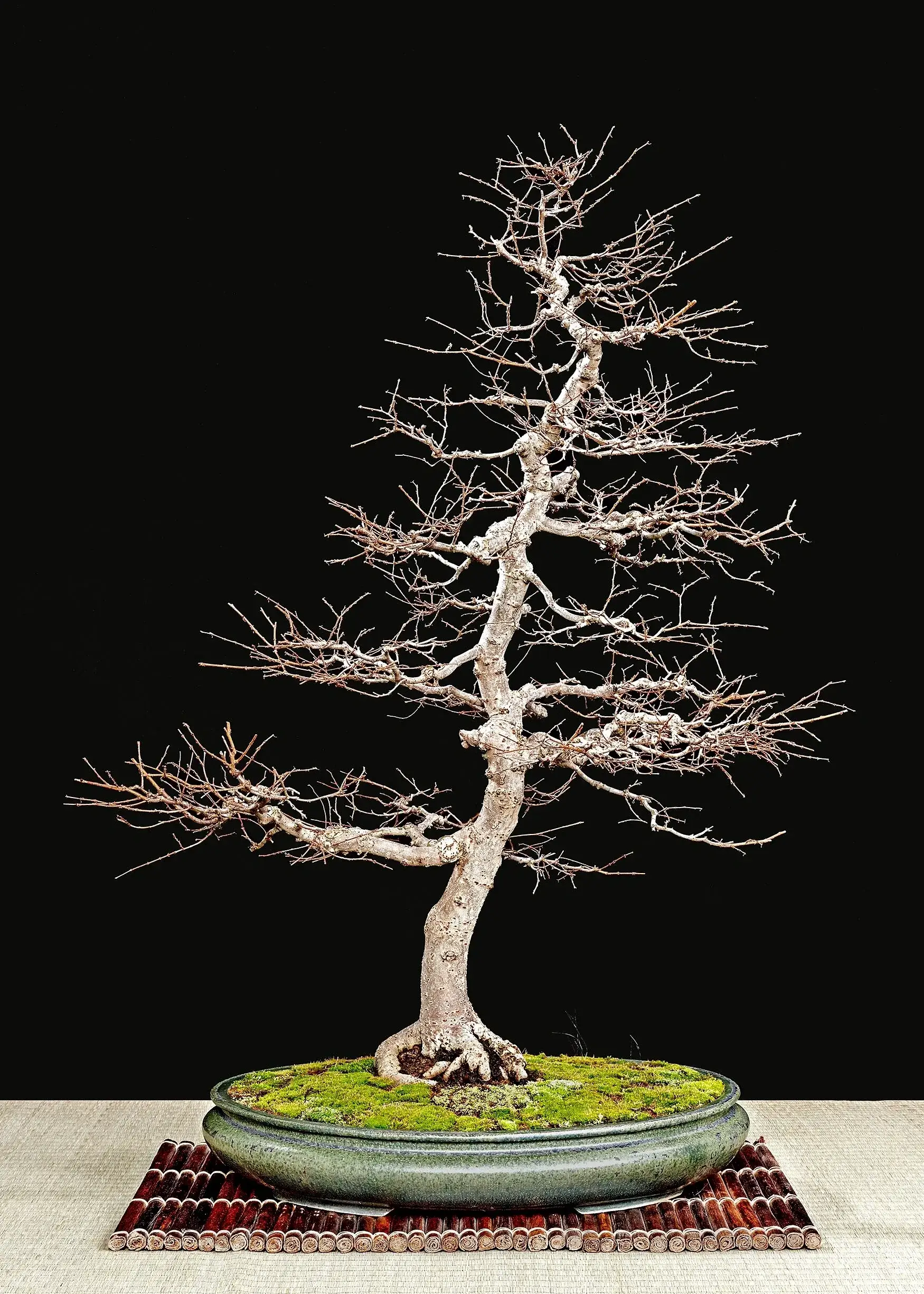
Zelkova
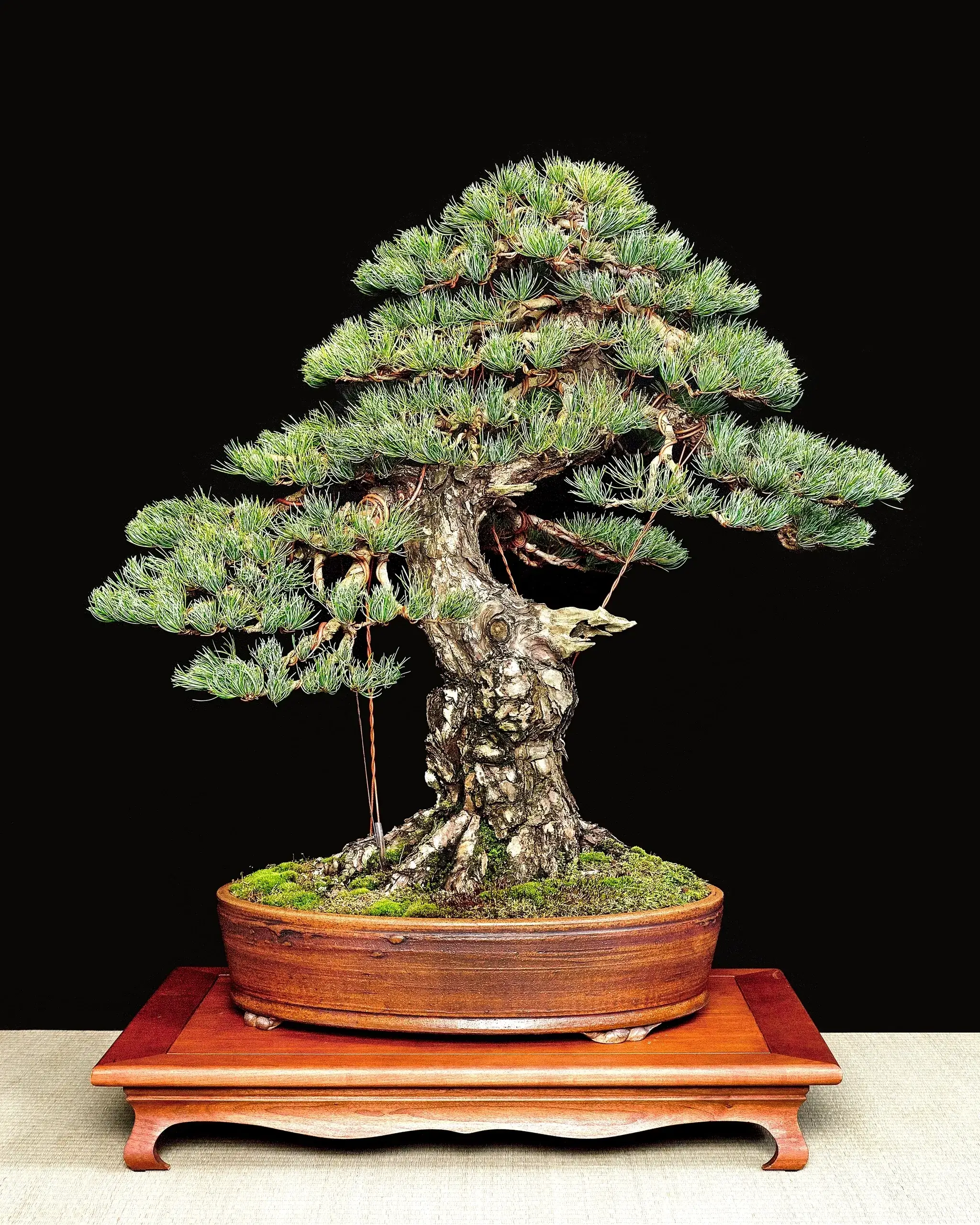
Japanese White Pine
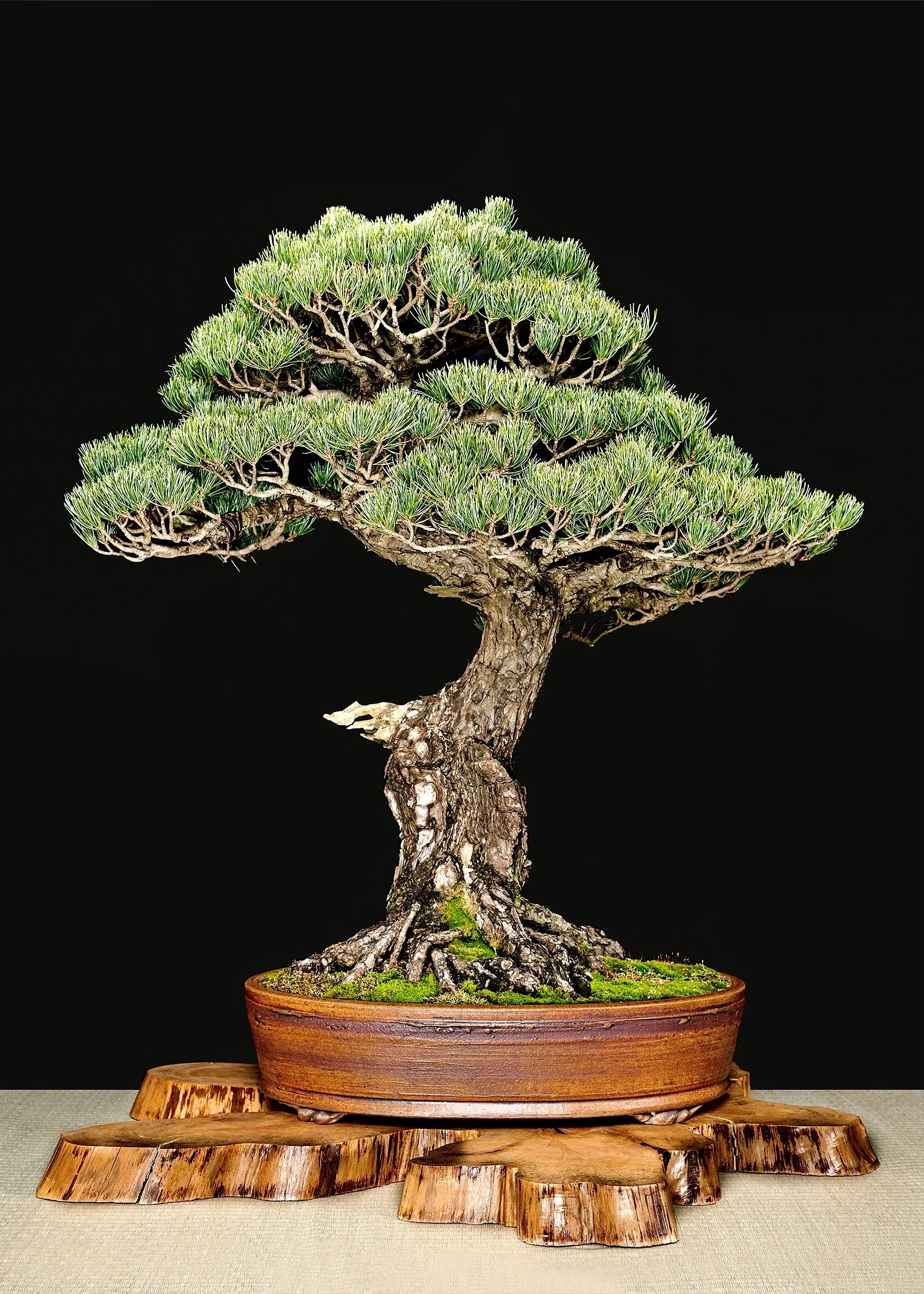
Japanese White Pine
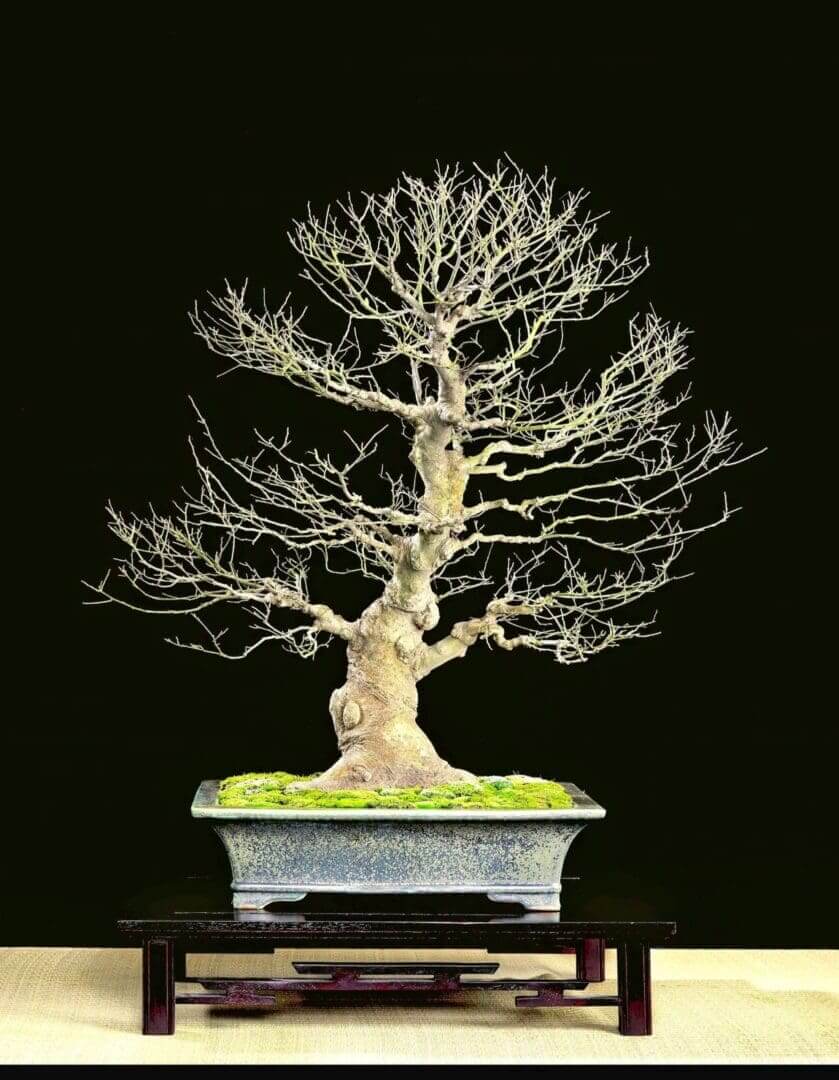
This Chinese hackberry has been part of Bonsai Learning Center since the 1980s and stands as one of the longest held trees in our collection. With its rounded crown, smooth gray bark, and finely detailed branching, it reflects decades of careful training and quiet refinement. When mature, it produces flowers and small red berries, offering subtle seasonal moments that reward close attention.
While its appearance is calm and balanced, the hackberry is known for its strong and aggressive roots. It is repotted almost every year, a practice that has become part of its ongoing story and care. This tree has supported generations of students, serving as a hands-on example of vigor, structure, and long-term commitment. It reminds us that enduring bonsai are shaped not only by time, but by steady care and respect for a tree’s natural strength.