
Sub-Total: $0.00
Insect and Fungus Control for Bonsai
How to Prevent, Identify, and Treat Bonsai Health Issues
Healthy bonsai don’t happen by accident. Like all living plants, bonsai trees can be affected by insects and diseases, and because they live in small growing environments, problems can escalate quickly if not caught early. Pest control bonsai techniques are especially important to prevent damage to these delicate trees. With the right knowledge and attentiveness, most threats can be identified and managed effectively long before serious harm is done.
The Importance of Vigilance
Pest and disease control for bonsai begins with regular observation. Frequent checks especially during watering, feeding, or pruning are your most effective defense. A few minutes each day spent inspecting your trees helps you notice subtle changes before issues become serious.
Look for:
- Leaves that are discolored, spotted, or curling
- Growth tips that are wilting or limp
- Damaged or eaten foliage
- Sticky residue or unusual leaf texture
- Webbing or fuzz under leaves
Not all problems stem from pests or disease. Overwatering, underwatering, nutrient imbalance, or stress from improper light can produce similar symptoms. However, anything abnormal warrants closer inspection.
Why Bonsai Are More Vulnerable
Bonsai are inherently more susceptible to pest and disease issues than full-sized garden plants because:
- They live in limited soil volume with fewer nutrients and less buffering capacity.
- Their roots cannot spread to escape poor conditions.
- Frequent handling (watering, wiring, pruning) creates stress and potential entry points for pathogens.
- Indoor bonsai face dry air and limited natural predators, while outdoor trees contend with seasonal pest pressures.
These factors mean that even a small population of pests can overwhelm a bonsai much faster than they would a larger plant.
Accurate Identification Is Key
Before treating any problem, it’s essential to identify what you’re dealing with. Misidentifying a pest or disease often leads to ineffective treatment.
Good ways to identify issues include:
- Asking your bonsai community — Local clubs, online forums, and Bonsai Learning Center members have likely battled similar problems.
- Consulting local experts — County extension services or university plant clinics can identify insects or fungal pathogens from photos or samples.
- Using trusted guides and resources — Reputable bonsai care sites have pest and disease identification charts and treatment recommendations.
Common pests include aphids, spider mites, scale insects, and mealybugs, while fungal diseases like powdery mildew and root rot appear under damp or poorly ventilated conditions. Early detection prevents small issues from growing into major ones.
Effective Treatment Options
Treatments range from gentle physical removal to targeted organic or chemical controls. Start with the least invasive options first and escalate only if necessary.
1. Physical and Manual Controls
For light infestations, mechanical removal is often effective:
- Rinse insects off with a strong but gentle spray of water.
- Pluck larger pests like beetles and caterpillars by hand.
- Use a cotton swab dipped in rubbing alcohol to remove scale or mealybugs.
This method minimizes harm to the tree and beneficial organisms and is especially effective when problems are caught early.
2. Cultural and Preventative Practices
Creating a healthy environment is one of the best ways to reduce pest and disease pressure:
- Improve air circulation around your bonsai to reduce humidity on foliage.
- Avoid wetting leaves unnecessarily; water at the soil surface instead.
- Keep benches and surrounding areas clean to remove hiding spots for pests.
- Quarantine new plants for several weeks to avoid introducing hidden pests.
Seasonal preparation also matters. In spring and summer, inspect more frequently as insects become active. In fall and winter, adjust watering and ensure good airflow to prevent fungal buildup.
3. Organic and Natural Controls
Organic methods provide effective, low-impact protection:
- Neem oil works as both a mild insecticide and fungicide when applied with thorough coverage.
- Insecticidal soap suffocates soft-bodied pests like aphids and whiteflies without harming the tree.
- Horticultural oils can smother pests and disrupt insect metabolism.
- Beneficial insects such as lady beetles or lacewing larvae can help control pest populations in outdoor bonsai settings.
These approaches preserve ecological balance and reduce reliance on harsh chemicals.
4. Targeted Chemical Treatments
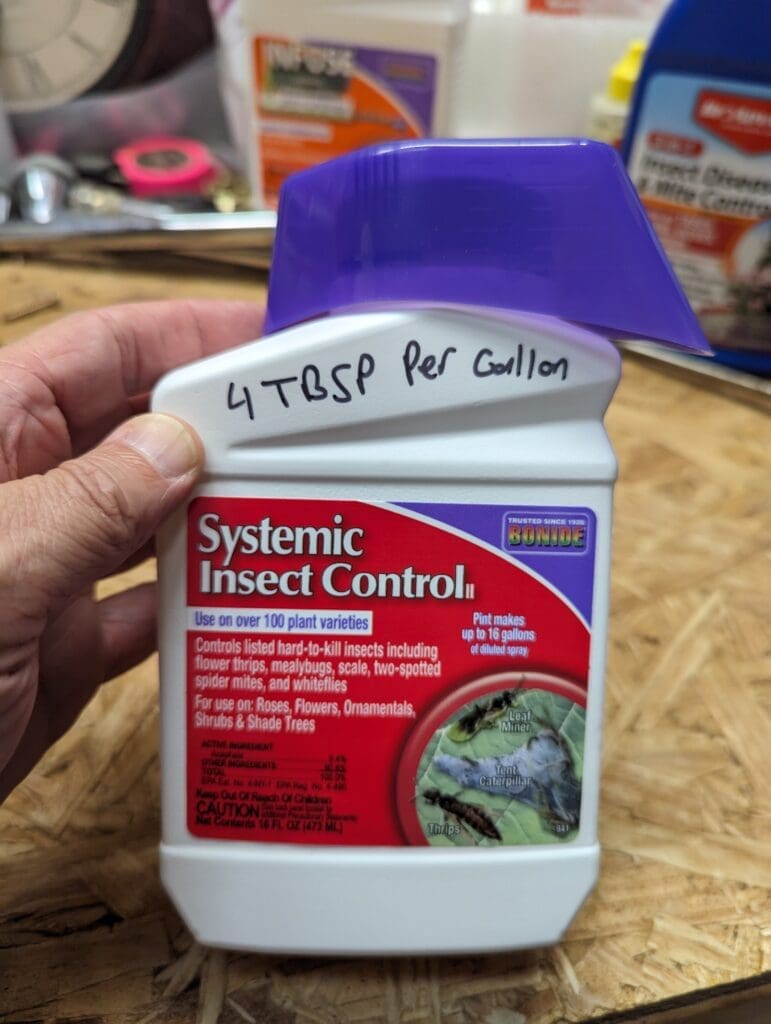
When organic methods are insufficient, carefully chosen chemical sprays or systemic products may be needed:
- Match the treatment to the specific pest or disease.
- Always confirm the product is safe for the species you are treating.
- Use sparingly to avoid harming beneficial organisms or causing resistance.
For example, copper-based fungicides may be used against certain fungal diseases, while systemic insecticides can help control persistent sap-sucking insects.
Building Long-Term Resilience
The most effective pest and disease management strategy is one that creates a strong, healthy bonsai that resists problems naturally. This includes:
- Providing optimal light, water, and nutrients
- Maintaining good soil and airflow
- Practicing clean hygiene and plant care
- Observing trees regularly and responding quickly to change
Problems are easier to prevent than to cure. A tree that is well cared for is better able to withstand environmental stress and recover quickly from minor pest pressure.
Final Takeaway
Pest and disease control should be woven into your everyday bonsai routine. With consistent vigilance, early identification, and thoughtful care choices, most health issues can be managed safely and effectively. A few moments of daily observation and preventive care can save your bonsai from serious damage and ensure many years of vigorous growth and beauty.

Next Up: Using the right soil can help control pest and fungal issues with your bonsai: